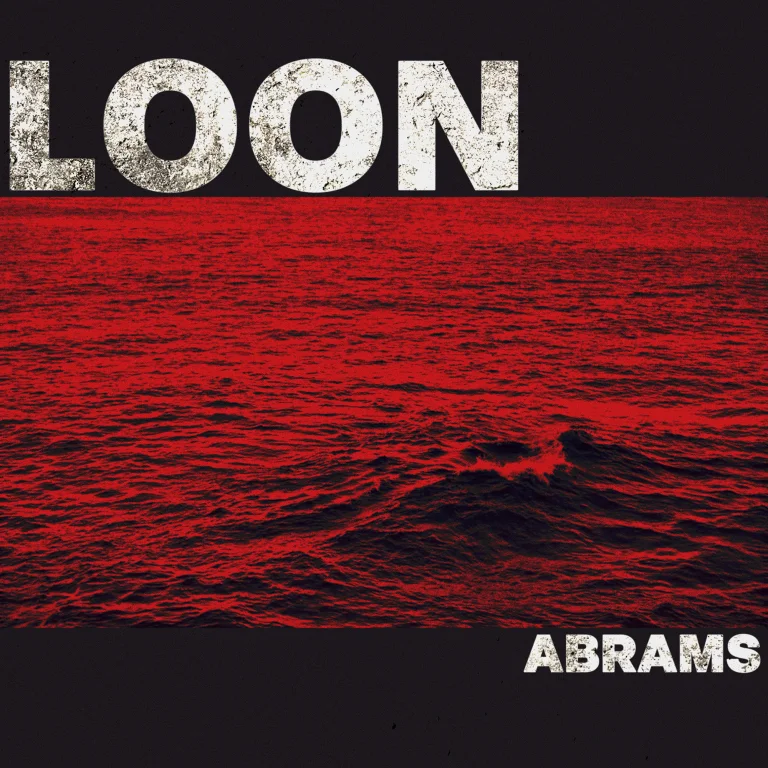
Abrams have been floating around the heavier end of the underground for a while now, and “Loon” feels like the kind of record made by a band that stopped worrying about fitting cleanly into one scene years ago. You can hear sludge, post-hardcore, noise rock, grunge, bits of metallic hardcore – sometimes all inside the same song – but the album never really sounds confused about itself. Messy at times, yeah. Directionless, not really.
The biggest thing “Loon” has going for it is momentum. The album rarely sits still long enough to become predictable. “Glass House” comes out swinging immediately with that almost chaotic hardcore energy, while “White Walls” throws in noisier guitar work and sharper rhythmic turns that push things closer to mathcore territory without fully becoming that.
Abrams also avoids one of the biggest problems bands in this lane often run into: over-polishing everything until the aggression disappears. “Loon” still sounds rough around the edges. Guitars scrape instead of gleam, the heavier moments stay dirty, and the whole album feels more interested in movement than precision.
That approach works especially well during the middle stretch. “Last Nail” pulls more from grunge and heavy alternative rock, slowing things down just enough to let the melodies breathe a little before the record starts punching again. “Waves” leans even harder into that slower groove-driven side, and honestly, those moments give the album more identity than the constant full-speed attacks do.
Because when Abrams goes full aggression all the time, the material occasionally starts blending together. There are points where the riffs feel more functional than memorable, like they exist mainly to keep energy levels high rather than leave a lasting imprint. The band’s intensity carries those sections more than the songwriting itself.
Still, tracks like “How Did I Lose My Mind?” and especially “A State of Mind” manage to lock the different sides of the band together better than most of the album. That’s where Abrams sound most convincing – not when they’re trying to be the heaviest band in the room, but when they let the hooks, noise, melody, and chaos all pull against each other at once.
“Remains” is probably the nastiest thing here, blasting harder than almost anything else on the record and pushing the vocals into a much harsher place. Then “Sirens” closes things out in a way that feels surprisingly restrained by comparison, almost like the album finally exhausting itself after spending most of its runtime grinding forward nonstop.
The album’s biggest strength is also what keeps it from fully leveling up: Abrams throws a lot of ideas around, and most of them work individually, but not every transition feels fully earned. Sometimes “Loon” sounds exciting because it refuses to settle into one identity. Other times, it feels like the band is still chasing the perfect balance between all the styles they clearly love.
Still, there’s something refreshing about a heavy record that doesn’t feel trapped inside one specific doom/sludge/hardcore formula. “Loon” isn’t cleanly designed. It’s restless, loud, uneven in spots, occasionally exhausting – but at least it sounds alive the whole way through.
Follow Abrams on Facebook
Released by Blues Funeral Recordings on April 17th, 2026